
The English Sounds
This handout displays the 44 sounds in English. Each sound is represented by a keyword where the targeted sound is easily heard. Some keyword pictures may not correspond to the spelling of the sounds (e.g. the /ou/ card featuring a cow), but this is acceptable as we are focusing solely on the sound, not the spelling. When introducing a targeted sound orally to children, simply choose a word with the targeted sound as an example, regardless of spelling. Phonics instruction will eventually guide children in matching sounds to appropriate spelling patterns, but while children are building sound awareness, any word with the targeted sound is suitable for building their “sound parking lot.”
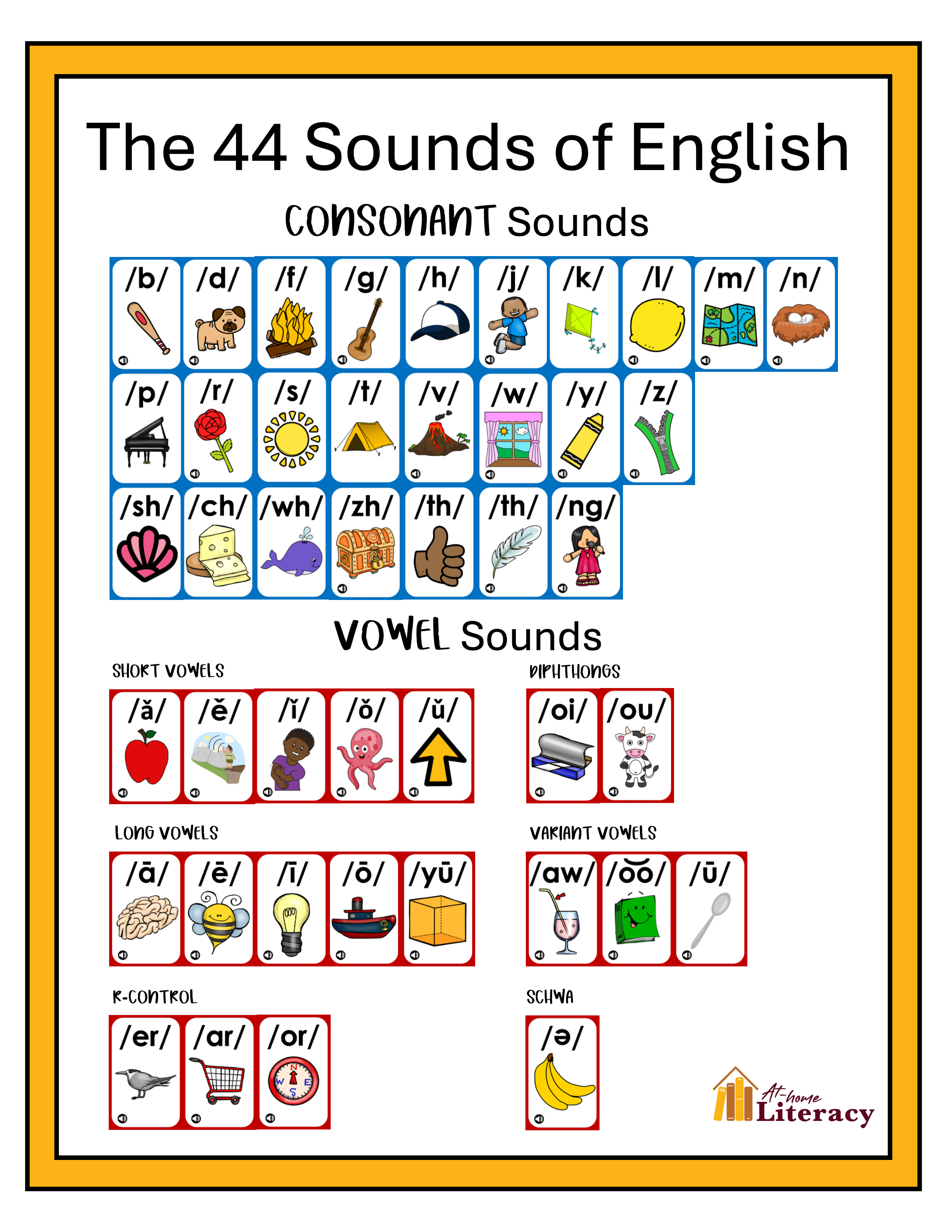
Where’s ‘C’,‘Q’ and ‘X’?
You might have noticed that some letters are missing from the handout. This is because the letter might represent a sound that is already listed. For example, the /k/ sound can be spelled by either the letter ‘C’ or ‘K’, so we only count it once as /k/. Another reason is because some letters do not actually represent their own sound but a combination of two sounds. For instance, the letter ‘Q’ when paired with the letter ‘U’ spells the /k/ + /w/ sounds. Similarly, the letter ‘X’ does not represent it’s own sound. The letter ‘X’ represents the sounds /k/+/s/. So, letters like ‘Q’ and ‘X’ don't actually have their own unique sounds, they represent a combination of sounds.
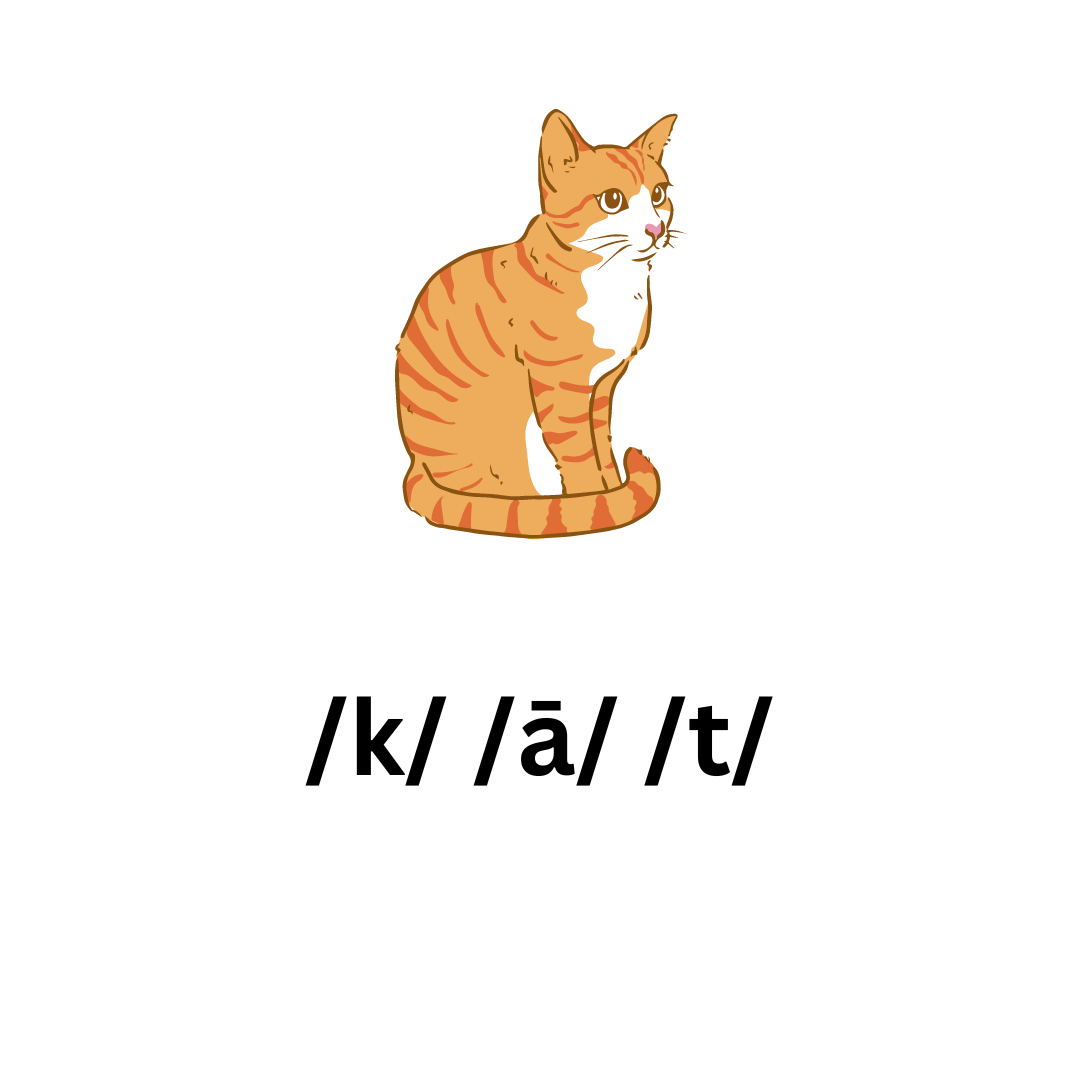
Letter C
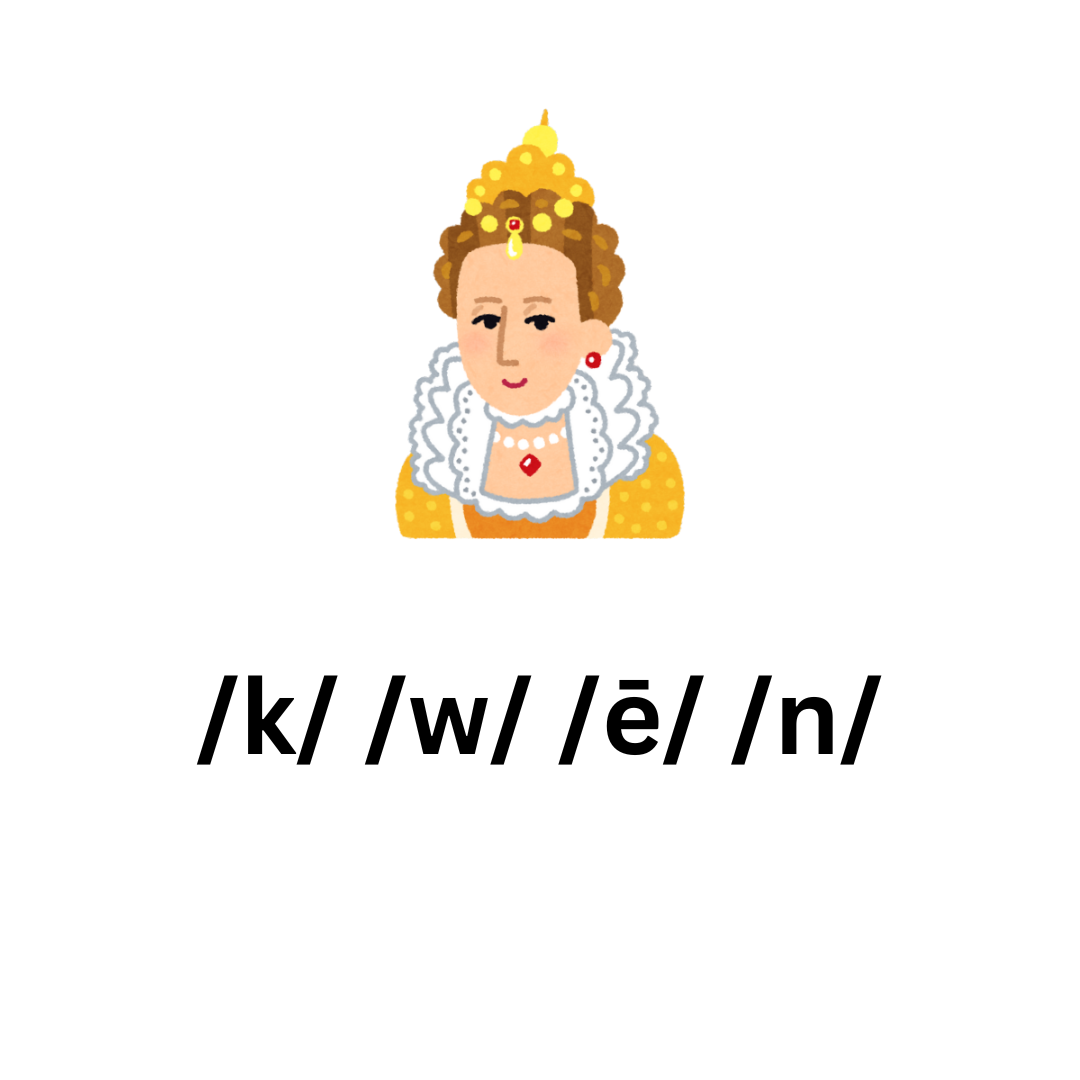
Letter Q
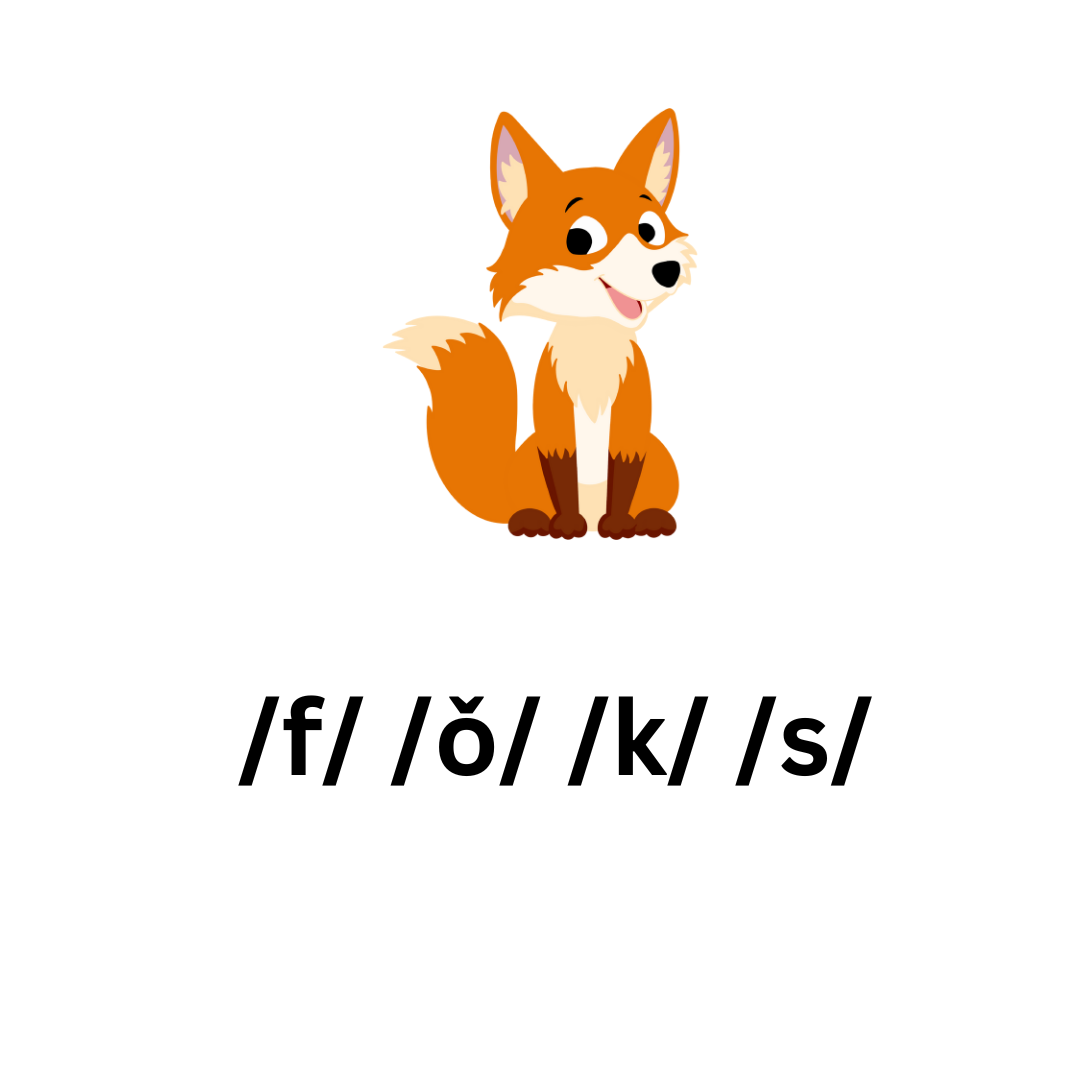
Letter X
Common Errors to Avoid
Cleaning up our speech sounds can be a bit tough, especially when we've gotten into the habit of speaking a certain way for so long. However, it's really important to make sure we're producing each sound correctly when we're teaching kids. Otherwise, they might pick up on our bad habits and start using them themselves, which could influence their reading and spelling. Watch this video to learn the top 3 pronunciation mistakes to avoid.